The Fine Dining Flip: How America's Top Chefs Fell Hard for Gelato and Never Looked Back
There's a moment at the end of a truly great meal — the plates cleared, the candles low — when the dessert menu arrives and everything hinges on what comes next. For a growing number of America's most respected restaurants, that final impression is no longer built around a scoop of ice cream. It's gelato. And the chefs behind these decisions aren't making the switch for novelty's sake. They're making it because, once you go gelato, it's genuinely hard to go back.
This isn't a flash-in-the-pan food trend. It's a quiet, deliberate revolution happening in fine dining kitchens from New York's West Village to the farm-to-table hotspots of Portland and the upscale coastal spots dotting California's Highway 1. Pastry chefs and restaurant owners are rethinking what a premium frozen dessert actually means — and the answer keeps coming up Italian.
Why Chefs Are Making the Switch
Ask any pastry chef who's worked with both products and you'll get a pretty consistent answer: gelato just performs differently. The science is part of it. Gelato contains significantly less butterfat than traditional American ice cream, which means it's churned at a slower speed with less air incorporated — a process that results in a denser, silkier product with a more concentrated flavor profile.
That intensity matters enormously in a fine dining context. When a chef sources single-origin Sicilian pistachios or hand-harvested Calabrian figs, they want those flavors to land with full force. Ice cream's higher fat content and airier texture can actually mute the very ingredients a chef is trying to showcase. Gelato, by contrast, lets the ingredient do the talking.
Beyond flavor, there's the textural experience. Gelato is served at a slightly warmer temperature than ice cream, which keeps it softer and more pliable on the palate. That yielding, almost melting quality feels luxurious in a way that a rock-hard scoop simply can't replicate. In a restaurant setting where every detail of a guest's experience is considered, that difference is significant.
The Artisanal Angle Matters More Than Ever
Fine dining has always been about storytelling as much as taste. Diners want to know where their ingredients came from, who made them, and why it all matters. Gelato fits that narrative beautifully.
Unlike mass-produced ice cream, authentic artisan gelato is made in small batches using traditional Italian methods — methods that date back centuries and prioritize quality over convenience. When a restaurant can point to a specific producer, a specific region of Italy, and a specific craft process behind their dessert, it becomes part of the evening's story. That's the kind of detail that turns a meal into a memory.
This is also why sourcing has become such a critical conversation among chefs. The gelato on a fine dining plate needs to be the real thing — not a grocery-store approximation with a fancy Italian name slapped on the label. The demand for genuinely handcrafted product, made with authentic Italian ingredients and delivered with the cold chain intact, has pushed the entire artisan gelato category into a new level of visibility.
What Pastry Chefs Are Actually Saying
The enthusiasm among culinary professionals is hard to overstate. Pastry chefs who've incorporated gelato into their menus often describe it as a revelation — not just for what it does to a dish, but for the creative freedom it opens up.
Flavors that would feel heavy or cloying in an ice cream format become elegant and precise in gelato. Think roasted white chocolate with sea salt, or a sharp, grassy extra-virgin olive oil gelato paired with a warm citrus tart. These aren't flavors you'd typically find in a tub at your local grocery store. They're the kind of compositions that only work when the base product is dense enough to carry complexity without collapsing under it.
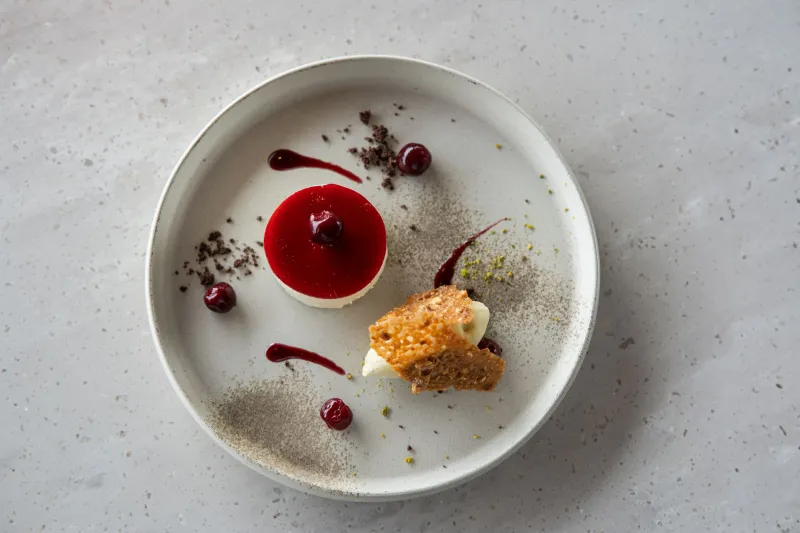
Chefs also appreciate gelato's visual appeal at plating. Its texture holds shape differently — it can be quenelled cleanly, layered in a coupe, or served in a delicate ceramic vessel without immediately pooling into a puddle. In a world where the Instagram shot is part of the dining experience, that matters.
The Status Factor Is Real
Let's be honest about something: gelato carries a cultural cachet that ice cream simply doesn't. There's a reason people talk about the gelato they had in Florence the same way they talk about the wine they had in Bordeaux. It's associated with craftsmanship, with a specific place and tradition, and with a kind of pleasurable slowness that feels increasingly rare.
For American restaurants operating at the top end of the market, serving artisan gelato is a signal. It says the kitchen takes dessert seriously. It says the sourcing standards don't drop off after the entrée. And it says the team understands that the last thing a guest tastes is the thing they'll remember most.
That status dimension has accelerated the trend considerably. As more high-profile restaurants put gelato on their menus, others follow — not out of imitation, but because the logic is undeniable.
Bringing That Restaurant Experience Home
Here's the good news: you don't need a reservation at a Michelin-starred spot to experience what all the fuss is about. The same artisan gelato that's landing on white-tablecloth menus across the country can be delivered straight to your door — which is exactly what we're here for.
The key to recreating that restaurant-quality moment at home is treating the gelato with the same intention a pastry chef would. Let it temper for a few minutes before serving so it reaches that ideal soft, scoopable texture. Choose a vessel that feels intentional — a chilled ceramic bowl, a pretty coupe glass. Pair it thoughtfully: a drizzle of aged balsamic over a strawberry gelato, a scattering of toasted hazelnuts over chocolate, a few flakes of Maldon salt over caramel.
Think about the flavors you're working with and let them guide the presentation. If you're serving something bright and fruit-forward, keep it simple and let the color do the work. If you're going deep and rich — a dark espresso or a roasted nut variety — give it a little elevation with a complementary texture alongside.
The restaurants figured something out that home dessert lovers are catching onto fast: when the product is genuinely great, you don't need to do much to make it feel special. Artisan gelato arrives already carrying the craftsmanship, the tradition, and the flavor intensity that fine dining is built around. All you have to do is show it a little respect.
The Scoop on Where This Is Headed
The trajectory here is pretty clear. As American diners become more educated about food — more curious about provenance, more attuned to texture and technique — the gap between ice cream and artisan gelato is only going to widen. What started as a niche preference among culinary insiders is becoming a mainstream expectation at the upper end of the market, and the ripple effects are being felt well beyond restaurant walls.
For those of us who've always known what gelato is capable of, this moment feels like a long time coming. Welcome to the good side.