Scooping Uphill: The Real Reasons Gelato Businesses Struggle in America — and What the Survivors Are Doing Right
The fantasy version of opening a gelato business in America goes something like this: you travel to Italy, fall in love with the craft, import some equipment and recipes, open a beautiful shop in a good neighborhood, and watch the customers line up. The flavors sell themselves. Word spreads. Life is sweet.
The reality is considerably more brutal.
Across the US, artisan gelato businesses open with genuine passion and close within two or three years, leaving behind gorgeous display cases and a lot of unanswered questions. The ones that make it — that actually build something sustainable — have figured out a set of hard lessons that nobody tells you in the beginning. We spent time talking to gelato entrepreneurs, industry observers, and the artisans behind operations that have genuinely succeeded, and here's what they told us.
The Cost Problem Nobody Fully Anticipates
Real gelato is expensive to make. Not expensive like "we spent a little more on the packaging" — expensive in ways that go all the way down to the fundamental production process.
Authentic gelato requires fresh, high-quality ingredients: whole milk from quality dairies, real fruit at peak ripeness, imported nuts and specialty chocolates, and in many cases, ingredients sourced directly from Italy. These aren't interchangeable with cheaper domestic substitutes if you're committed to making the real thing.
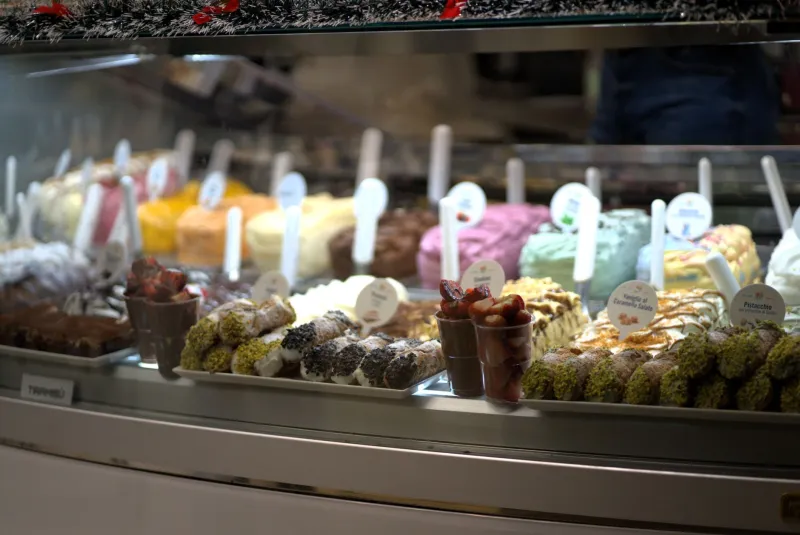
Then there's the equipment. Professional gelato production requires specialized batch freezers and display cases that maintain the precise serving temperature range gelato requires — typically between 10 and 22°F, significantly warmer than standard ice cream display cases. A proper gelato display cabinet can run $15,000 to $40,000 per unit. A full production setup for a small gelateria can easily exceed $100,000 before you've bought a single ingredient.
"The equipment alone almost broke us in year one," one gelato shop owner in the Pacific Northwest told us. "And then you realize you also have to educate every single customer who walks in the door about why your product costs more than the ice cream shop down the street. That's a lot of overhead nobody budgets for."
The Consumer Education Gap
American consumers have deeply ingrained expectations about frozen desserts, and those expectations don't always work in gelato's favor.
Most Americans associate "more" with "better" when it comes to ice cream: bigger portions, more mix-ins, higher fat content, harder texture. Gelato challenges every single one of those assumptions. It's served in smaller portions. It melts faster. It doesn't hold up well to heavy mix-ins or elaborate sundae constructions. And it costs more.
Explaining why that's actually a good thing — why less air means more flavor, why faster melt means better taste delivery, why smaller portions of something excellent beat large portions of something mediocre — requires ongoing customer education that most small businesses aren't equipped to do at scale.
The shops that handle this best have made education part of the experience itself. Tasting spoons are offered freely. Staff are trained to explain the difference between gelato and ice cream without making customers feel talked down to. Signage and menus tell the story of where ingredients come from. The goal is to make customers feel like insiders rather than students.
"We stopped trying to compete with ice cream and started helping people understand that they're different products entirely," said one Chicago-area gelato maker who has operated successfully for over a decade. "Once someone really gets it — once they taste the pistachio and understand what they're tasting — they don't go back. But you have to get them there."
The Distribution and Shelf Life Dilemma
For gelato businesses that want to scale beyond a single retail location — through wholesale accounts, e-commerce, or regional distribution — the logistical challenges multiply fast.
Gelato has a shorter shelf life than commercial ice cream, partly because it's made without the stabilizers and preservatives that extend grocery store ice cream's freezer life. It's also more temperature-sensitive, requiring consistent cold chain management at temperatures that differ from standard ice cream distribution protocols.
Shipping gelato directly to consumers requires dry ice, specialized insulated packaging, and careful attention to transit times. All of that adds cost and complexity. Getting it wrong — even once — means a customer receives a melted, refrozen, degraded product that destroys their trust and likely generates a refund request and a bad review.
The brands that have cracked direct-to-consumer shipping have invested heavily in packaging engineering and logistics partnerships. They've also been honest with customers about what to expect: delivery windows, how to handle the product upon arrival, and what to do if something goes wrong. Transparency, it turns out, is a competitive advantage.
What the Successful Ones Have in Common
After talking to multiple thriving gelato operations, a few consistent patterns emerged.
They picked a lane and stayed in it. The most successful artisan gelato businesses are extremely clear about what they are and who they're for. They're not trying to be everything to everyone. They've identified their customer — the person who genuinely cares about ingredient quality and is willing to pay for it — and they've built everything around serving that person exceptionally well.
They treat their supply chain as a story. Where the pistachios come from. Which dairy supplies the milk. Why they use Sicilian lemons instead of a domestic substitute. These aren't just sourcing decisions — they're narrative assets. Customers who understand the supply chain feel connected to the product in a way that builds loyalty and justifies premium pricing.
They've embraced e-commerce strategically. Selling gelato online is hard, but it dramatically expands the addressable market for a small producer. The businesses doing it well have invested in the infrastructure — packaging, cold chain logistics, customer service — and treat online orders with the same care as in-store sales.
They've built community. The gelato shops that last aren't just selling a product; they're hosting an experience. Flavor launches become events. Seasonal drops get announced like album releases. Customers who feel like participants in something larger than a transaction tend to become advocates.
The Honest Bottom Line
Making and selling artisan gelato in America is hard. The margins are thin, the consumer education burden is real, and the operational complexity is significant. A lot of businesses that start with genuine passion and excellent product don't survive long enough to build the audience they deserve.
But the ones that do make it — the ones that figure out the education piece, invest in their supply chain story, build community around their brand, and deliver consistently excellent product — build something genuinely durable. Their customers don't just buy gelato. They become the kind of people who care about where their gelato comes from.
That's the version of this business that works. And it's exactly the version worth fighting for.