Scoop by Scoop Through the Year: An Italian-Style Seasonal Gelato Calendar
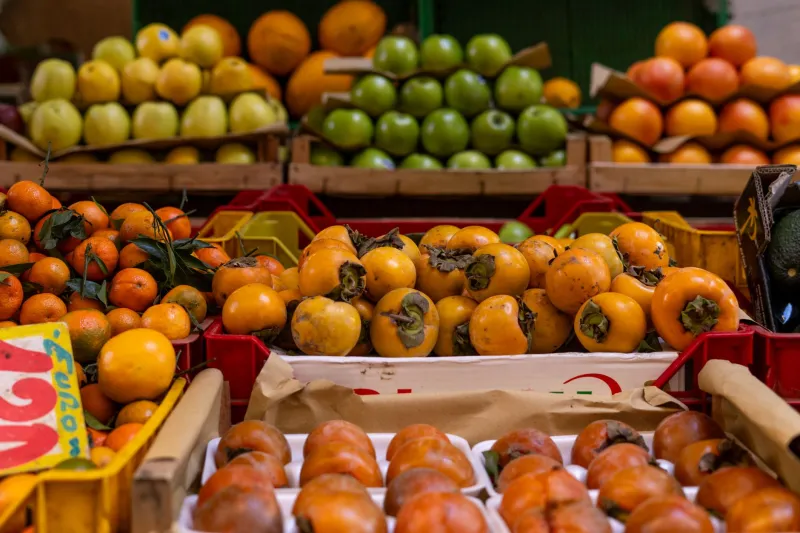
Walk into a great gelateria in Rome in February and you won't find strawberry. Walk in during July and you won't find chestnut. This isn't an oversight or a supply chain problem — it's the point. Italian gelato has always followed the seasons, and the flavors in the case at any given moment tell you exactly where you are in the year.
In the US, we've gotten used to everything being available all the time. Strawberries in December? Sure. Pumpkin spice in July? Somebody will sell it to you. But authentic gelato culture operates on a different logic — one tied to harvest cycles, regional traditions, and a deep respect for ingredients at their peak.
Here's how to think about gelato seasonally, month by month, the way Italians have been doing it for centuries.
January & February: The Citrus Window
Midwinter in Italy means one thing above all else: citrus season. Sicilian blood oranges, Meyer lemons, and fragrant bergamot from Calabria are at their absolute peak from late December through February. This is the time to seek out sorbetto al limone, blood orange gelato, and the slightly more obscure bergamot gelato — floral, bright, and complex in a way that's hard to describe until you taste it.
February also brings Carnevale, the Italian pre-Lent festival that runs in the weeks before Ash Wednesday. Gelaterie in Venice and Rome often celebrate with special flavors tied to traditional Carnevale sweets — think frittelle (fried dough with raisins and pine nuts) or chiacchiere (crispy fried pastry with honey), translated into gelato form. It's festive, indulgent, and very much worth seeking out.
What to order: Blood orange sorbetto, lemon, bergamot, ricotta with candied citrus peel.
March & April: Spring Awakening
As winter loosens its grip, Italian gelato makers start reaching for lighter, more delicate flavors. Fresh milk-based fior di latte becomes a seasonal standout — simple, clean, and showcasing the quality of spring milk from cows that are back on fresh pasture.
April brings Easter (Pasqua), one of Italy's most important food holidays. Expect to see gelato flavors inspired by traditional Easter sweets: ricotta-based flavors, chocolate with almonds, and honey-forward profiles that echo the pastiera napoletana (a Neapolitan Easter tart) and colomba (the dove-shaped Easter bread).
What to order: Fior di latte, honey and ricotta, dark chocolate with toasted almonds, fresh mint.
May & June: Strawberry Season Arrives
Italian strawberries — smaller, more aromatic, and intensely sweet compared to their American commercial counterparts — start hitting markets in May. This is a genuinely exciting moment in the gelato world. A great gelato alla fragola made with real, in-season Italian strawberries is one of the most purely joyful things you can eat.
June also brings the first cherries, early stone fruit, and fresh herbs like basil, which Italians have long used in both sweet and savory gelato applications. Basil gelato sounds strange until you try it — it's grassy, slightly sweet, and surprisingly refreshing.
What to order: Fresh strawberry, cherry, basil, lemon verbena, early peach.
July & August: The Height of Summer
This is peak gelato season in Italy, and for good reason. The summer heat makes frozen desserts a near-necessity, and the markets are overflowing with ripe, flavorful produce. Peaches, apricots, figs, and watermelon all find their way into the gelato case.
Watermelon gelato (gelo di mellone) is a Sicilian tradition dating back centuries — it's lighter than you'd expect, almost like a sorbet, and wildly refreshing on a hot afternoon. Fig gelato, made from late-summer figs, has a deep, jammy sweetness that pairs beautifully with a swirl of fresh ricotta.
This is also the season when Italians lean hardest into granita — the shaved ice preparation that's technically distinct from gelato but deeply intertwined with summer gelato culture, especially in Sicily.
What to order: Peach, apricot, fig, watermelon, mixed berry, lemon sorbet.
September & October: The Nut Harvest
Autumn in Italy is nut season, and this is when gelato gets rich, earthy, and deeply satisfying in a whole different way than summer flavors. Sicilian pistachios are harvested in September — the Bronte pistachio harvest happens only every other year, making it a genuine event — and fresh-crop hazelnuts from Piedmont start appearing in October.
Chestnuts are another October staple. Gelato di castagne (chestnut gelato) has a slightly smoky, starchy sweetness that feels like autumn in a cup. Pair it with a drizzle of honey or a crumble of dark chocolate and you've got something that feels like it was designed specifically for sweater weather.
The grape harvest (vendemmia) also happens in September and October, and some artisan gelato makers use fresh grape must to create limited-run flavors that taste like the harvest itself.
What to order: Pistachio, hazelnut (nocciola), chestnut, grape must, pear.
November & December: Warming Up for the Holidays
As temperatures drop, Italian gelato makers pivot toward warming spices, dried fruits, and the flavors of the holiday season. Panettone gelato — capturing the essence of the iconic Italian Christmas bread with its candied citrus peel and vanilla — is a December tradition in many gelaterie.
Spiced chocolate, amaretto, and flavors inspired by torrone (Italian nougat with honey, almonds, and sometimes chocolate) all make appearances in November and December. This is also when candied fruit, dried figs, and vin santo (a Tuscan dessert wine) start showing up as gelato flavor inspirations.
What to order: Panettone, spiced chocolate, amaretto, torrone, vanilla with candied orange.
Why Seasonality Makes Gelato Better
Following the seasons isn't just a romantic idea — it produces genuinely better gelato. Ingredients at their peak have more concentrated flavor, better texture, and a natural sweetness that lets you use less added sugar. When a gelato maker works with what's ripe and available right now, the product in the case reflects that quality directly.
At Ono Gelato, we take this philosophy seriously. Our flavor calendar shifts with the seasons, and we work to source ingredients that are as close to their peak as possible. When you see a new flavor drop, that's not arbitrary — it's the season talking.
Pay attention to what's available when, and you'll start eating gelato like an Italian: with anticipation, appreciation, and the understanding that the best scoop is always the one that's perfectly in season.