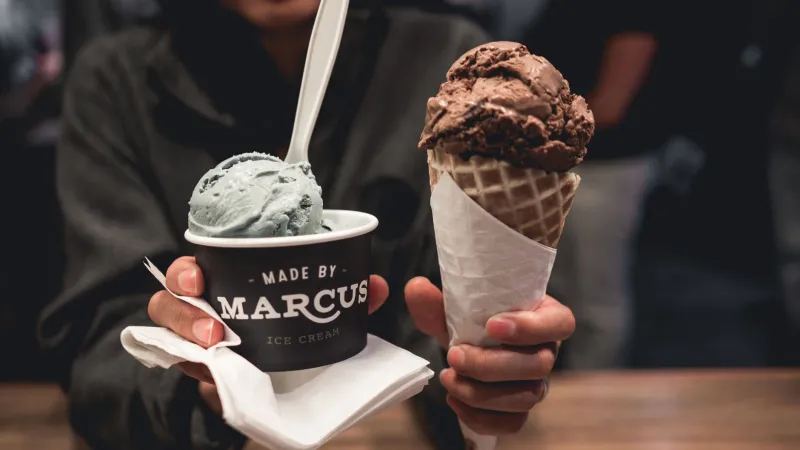
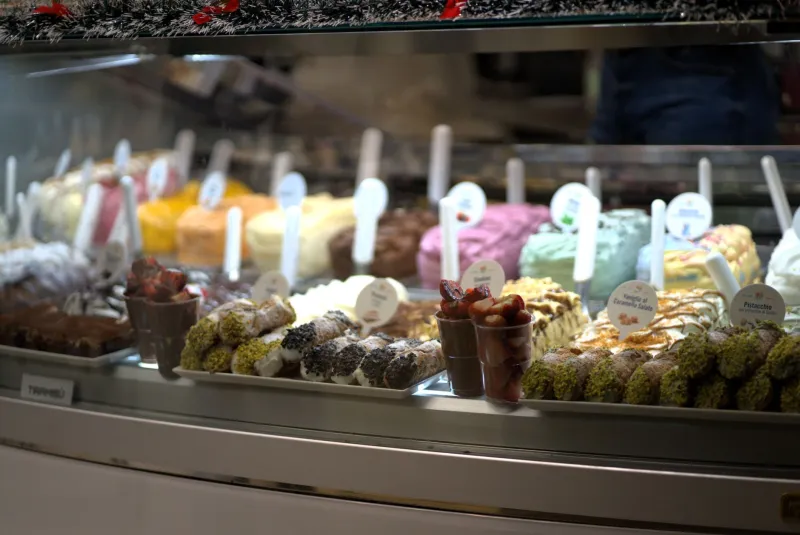
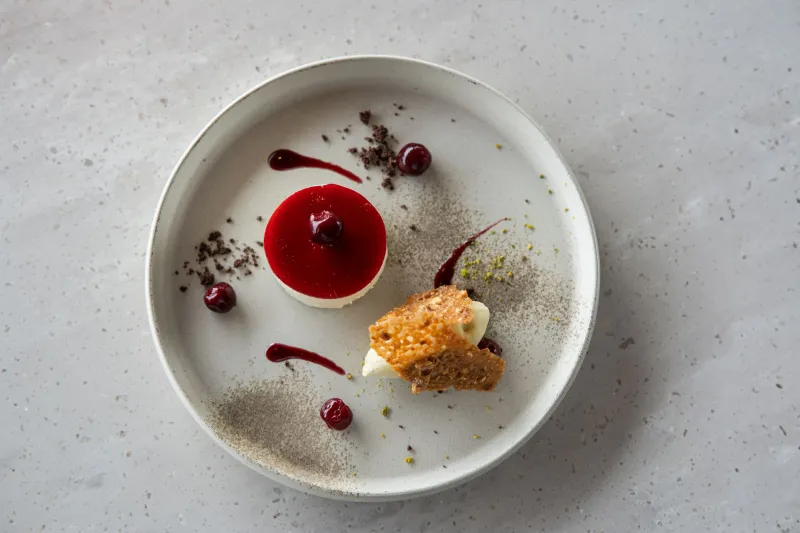
Scooping on Their Own Terms: Meet the Americans Building Serious Gelato Businesses from Scratch
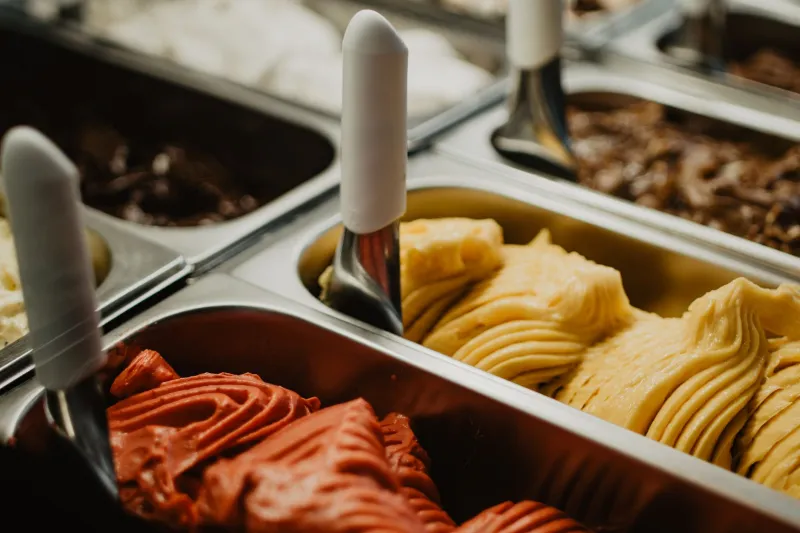
Nobody told Marcus Chen that making gelato in a 400-square-foot production space in Portland, Oregon was a bad idea. Probably because nobody thought he'd actually go through with it.
He did. Four years later, his operation — a micro-gelateria with a direct-to-consumer shipping component and a loyal local following — produces about 200 pints a week during peak season. He has a waiting list for his specialty flavors. He turns down wholesale accounts because he can't produce enough to fill them without compromising quality. And he sleeps about six hours a night from May through September.
"People keep telling me I should scale up," he says. "I keep telling them that's exactly what I'm trying not to do."
Marcus is not an anomaly. Across the country, a generation of American gelato artisans is building businesses that look nothing like the imported brands that dominated the premium frozen dessert market for decades. They're small, fiercely independent, technically obsessed, and — increasingly — genuinely excellent at what they do.
The Learning Curve Nobody Warns You About
Here's the honest truth about making gelato professionally in America: it is significantly harder than making ice cream, and the market doesn't always reward the extra effort financially. At least not at first.
Gelato's defining characteristics — lower fat content, higher milk solids, less air incorporation, warmer serving temperature — require precise control at every stage of production. The equipment is specialized and expensive. The ingredient sourcing is demanding. And unlike ice cream, which has a well-established American supply chain and consumer base, gelato occupies a space that's still being defined in the minds of most US consumers.
"I spent about eighteen months just trying to understand the science," says Priya Anand, who launched a small-batch gelato company in Austin, Texas after a trip to Florence that she describes as "genuinely life-changing in a way that embarrassed me a little." She studied with a gelatiere in Bologna, took an online certification course, and spent another six months experimenting in her home kitchen before she felt confident enough to charge money for what she was making. "And even then," she laughs, "the first three months of actual sales were basically a very expensive education."
The startup costs alone are a significant barrier. A commercial batch freezer (called a mantecatore) capable of producing consistent, high-quality gelato runs anywhere from $8,000 to $30,000 new, depending on capacity. Add a pasteurizer, display cases designed to hold gelato at the proper temperature, a blast freezer for hardening, and the build-out of a licensed commercial kitchen, and you're looking at a six-figure investment before you've sold a single cup.
The Economics of Doing It Right
Gelato's economics are genuinely tricky. Because it's served at a warmer temperature and has a shorter shelf life than standard ice cream, display and storage require more attention and more specialized equipment. Margins can be tight, especially in the early days when production volume is low and ingredient costs are high.
The artisans who make it work tend to share a few strategies. Many run hybrid models — a physical retail location combined with direct-to-consumer shipping, catering, or wholesale accounts with a small number of carefully chosen partners. Some focus intensely on specialty and seasonal flavors that command premium pricing. Others build their economics around events: pop-ups, farmers markets, private parties, and corporate catering, which often deliver better margins than fixed retail.
Direct-to-consumer shipping has been a particular game-changer for the micro-gelato world. The logistics are demanding — proper packaging to maintain the right temperature during transit is both critical and costly — but the ability to reach customers nationwide without the overhead of multiple physical locations has allowed small producers to build real businesses from very modest production facilities.
"I ship to forty-three states," says Jordan Reyes, who operates a one-person gelato operation out of a shared commercial kitchen in Chicago. "My 'shop' is basically a website and an Instagram account. My freezer holds about 150 pints at a time. And I'm profitable. Not 'getting rich' profitable, but genuinely profitable." He pauses. "That still kind of blows my mind."
What Sets the Good Ones Apart
The American artisan gelato scene is not uniformly excellent. As with any craft food category that's grown quickly, there's a wide range of quality — from producers doing genuinely exceptional work to operations that are essentially making a softer version of standard ice cream and calling it gelato for marketing reasons.
The distinguishing factors tend to be the same ones that separate serious gelato from the grocery aisle version: ingredient sourcing, technical discipline, and an almost irrational commitment to doing things the hard way when the hard way produces a better result.
The best American gelato makers tend to be obsessive about their milk supply. Many source from a single local dairy and build their base recipes around that specific milk's fat content and flavor profile. They use real fruit, real nuts, real chocolate — not flavor pastes or compound bases. They taste constantly, adjust constantly, and refuse to let a batch out of the production space until it meets their own exacting standard.
Priya in Austin sources her pistachio from a Sicilian importer and her hazelnuts directly from a small Oregon farm that grows a variety she describes as "the closest American equivalent to the Piedmontese stuff." Marcus in Portland works with a local dairy that he visits in person every few weeks. Jordan in Chicago has a relationship with a small chocolate maker in Vermont whose couverture he uses exclusively. These aren't just sourcing decisions — they're the foundation of a flavor identity that customers can't get anywhere else.
The Community They're Building
One unexpected development in the American micro-gelato world is how collaborative it's become. Despite being competitors in a narrow market, many small producers share knowledge freely — troubleshooting production problems on group chats, referring customers to each other when they're sold out, and occasionally collaborating on limited-edition flavors.
"There's this sense that we're all trying to build the category together," Marcus says. "If someone in Nashville makes great gelato, that's good for me in Portland. It means more people understand what good gelato is supposed to taste like."
That rising-tide mentality reflects something real about where the American artisan gelato market is right now. It's still early. The category is still being defined. And the people defining it — working in small kitchens, shipping in dry ice, posting on Instagram at midnight — are doing something more significant than just making a frozen dessert.
They're making an argument about quality. About craft. About what American food culture can look like when people care enough to do things properly.
One pint at a time.